CPA Sugar Land AlternativeDoes Stafford charge a city property tax
People ask this in one breath. The answer is no, and the rest of this page says what that does and does not mean.
Bring your bill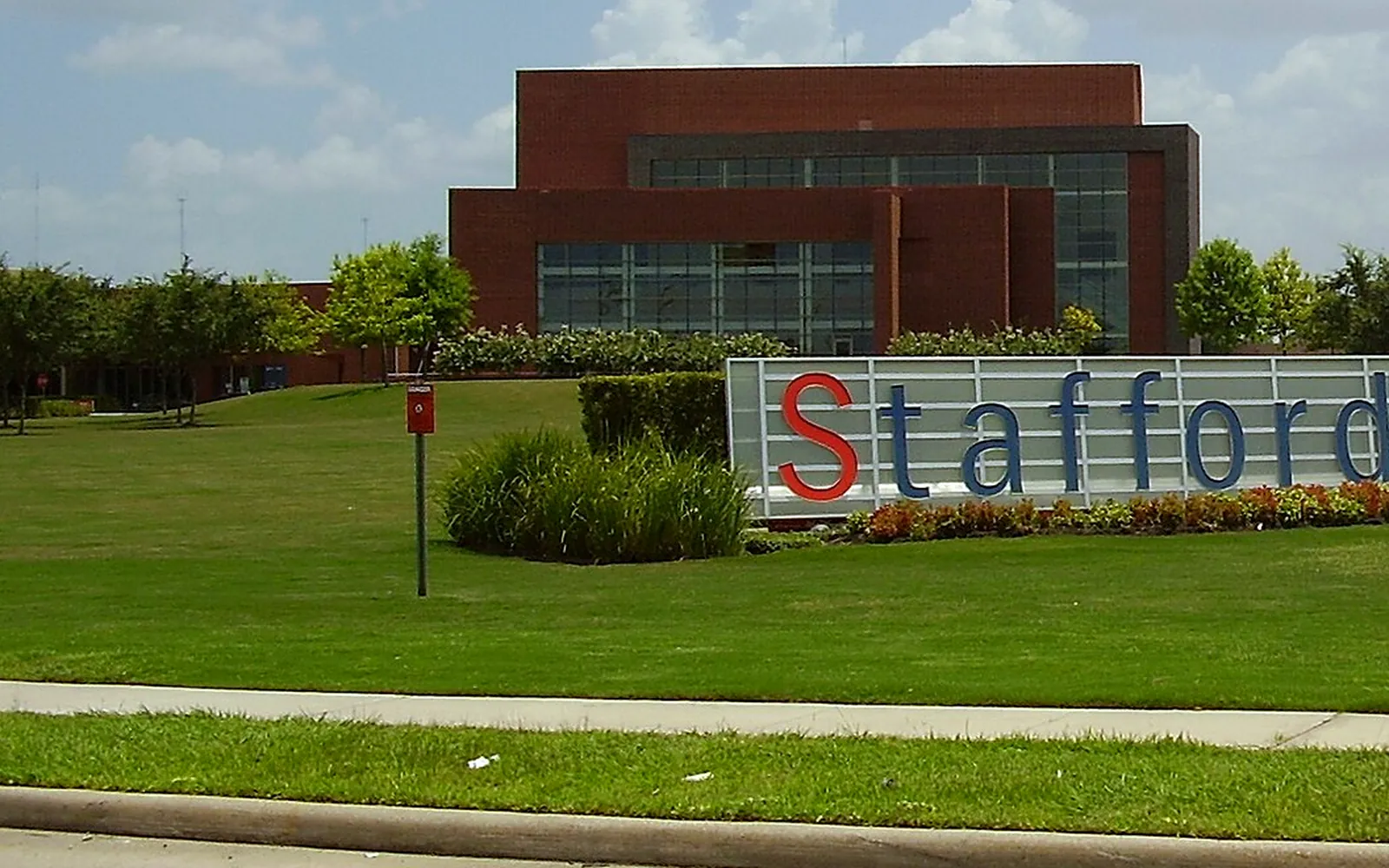
People ask this in one breath. The answer is no, and the rest of this page says what that does and does not mean.
Bring your billStafford does not charge a city property tax. The city says so on its own tax structure page, and it describes itself as the largest city in Texas to abolish that tax. The funding that replaced it is mainly a local sales tax, not a quieter version of the same property tax.
That answer is about Stafford. It is not a description of Sugar Land. The two cities share a line and not a rate. If your bill still shows a city property tax, the address may be inside Sugar Land, or the line you are reading may be the school district wearing a name you did not expect.
Read the bill from the top. A zero on the city row is the fact. A number on the school row is a different fact. We do not add them together and call the sum a city tax, and we do not subtract them and call the difference your savings.
On the close, an address in Stafford does not get a city property tax expense from the city next door. An address inside the city that still charges the tax does not get a zero just because the shop across the line has one. The lease page is the source. The bill is the check. If they disagree, we say so before the month is called finished.
You can stop after that. Some owners only wanted the sentence. The sentence is yours whether or not you ever book a call.
The most common misread is to treat a school line as a city line because both are property tax. They are not the same government and they are not the same decision. Stafford can drop its city tax and a school district can still send a bill. The sentence you came for survives that bill. The city row is the row that answers the question.
The second misread is to treat the sales tax split as a replacement property tax that you can compare dollar for dollar with the city next door. One is a tax on sales. The other is a tax on taxable value. We keep the instruments in separate sentences so nobody subtracts them and calls the difference a plan.
The third misread is to assume a map in your head is newer than the notice. Annexations, school boundaries, and a lease that was signed years ago can disagree with each other. The notice and the lease win. A conversation that starts from a map usually has to be walked back.
If your bill shows a city row and you believed the building was in Stafford, bring the bill. We will read the address with you before anyone recodes a year of expense. Recoding first and reading second is how a clean month gets uncleaned. Read the bill from the top, out loud if you have to. Address, then city row, then school row, then county row. A zero in the city row is the answer you came for. A number in the school row is a different government. We will not add those rows into one story, and we will not subtract them and hand you a savings figure this page refuses to invent.
Owners sometimes arrive with a screenshot of a rate and no bill. The screenshot can be last year's page, a school district page, or a city page for the wrong year. We will not code a year from a screenshot. We will ask for the notice that names the address. Until that notice is in the conversation, the public rate stays a public rate, and the expense stays unposted rather than guessed. A guessed city row is harder to unwind than a blank one, because the blank one admits what we have not seen. A blank row can wait. A guessed row has to be unwound.
The city named on the bill is enough.

You will be talking to the Steven Palmieri practice.