CPA alternative, Sugar Land

CPA Sugar Land? A CPA alternative reads the lease.

Four taps. Stafford is not Sugar Land's bill.

You know this park. The lease names the city.

Question 1 of 4

What should one practice hold?

Question 2 of 4

Which city does the lease name?

Question 3 of 4

What else follows that address?

Question 4 of 4

Which filing is nearest?

A quick check

Is the bill an audit?

An audit is paper a lender required. A licensed CPA firm signs it. A Sugar Land or Stafford bill is a tax line, not that paper.

The Sugar Land CPA alternative for this lease is a Tax CFO.

Steven Palmieri is a Tax CFO, not a CPA firm. A Tax CFO reads which city the lease names, closes that month to the bank, and sets payday up on the provider you run. The free call opens the lease and tells you whether this file is the work.

You will be talking to the Steven Palmieri practice.

Next you pick a time for a free video call with the Steven Palmieri practice. Nothing to sign, nothing to pay.

Prefer to read first? It's all below ↓

CPA Sugar Land AlternativeClose the month and the return

The month closed, payroll set up on a provider you run, and the return prepared, by one practice. Steven Palmieri, the Tax CFO, takes those three for whichever city your lease names, Sugar Land or Stafford, because here that changes the bill.

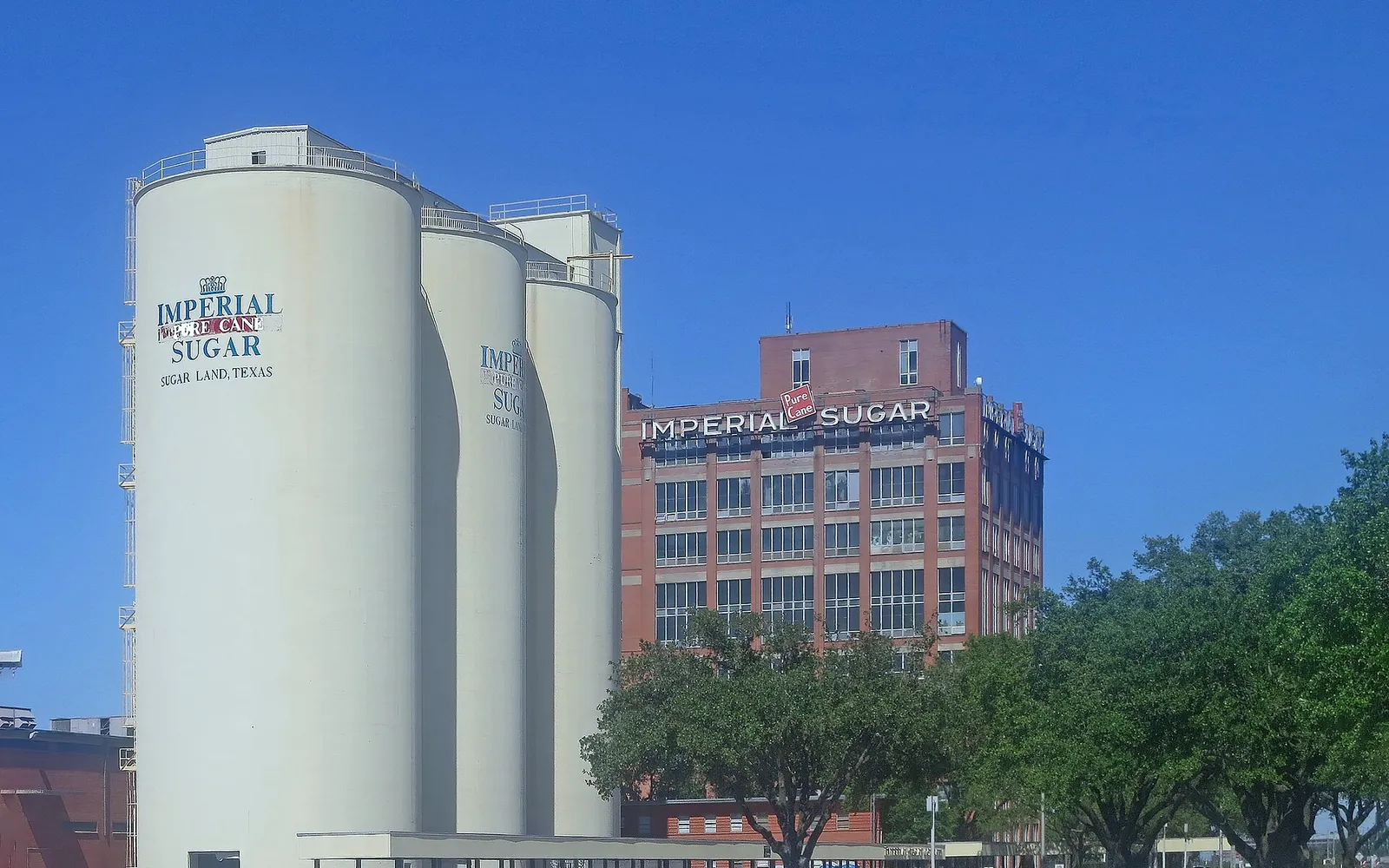
The sugar silos still stand over the town that was built around them. A business here stands on its lease, and the lease names the city.

Start the close

What should the first month cover.

Steven Palmieri, Tax CFO

You will be talking to the Steven Palmieri practice.
CPA Sugar Land typed on the first frame, then the lease, the city line, and the month checked
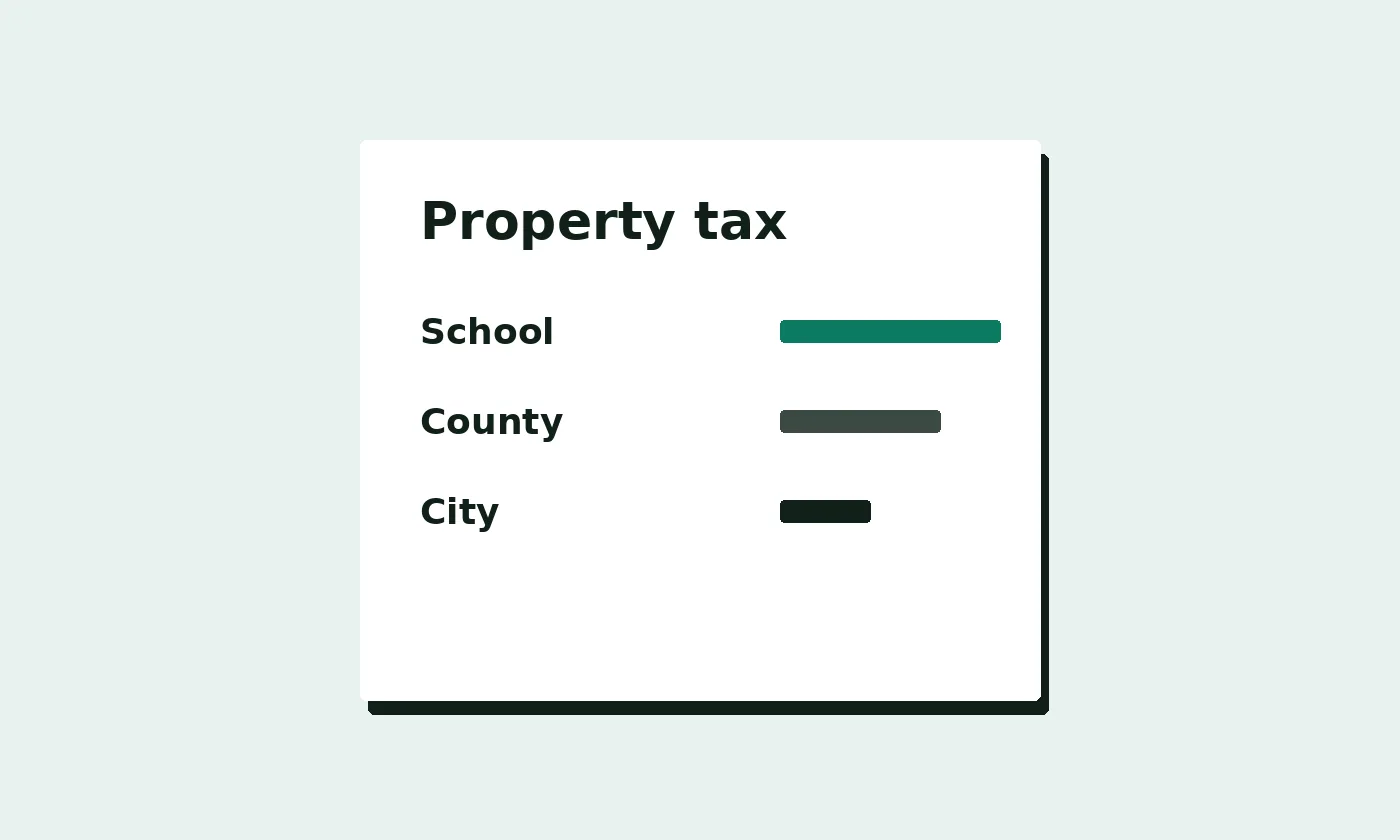
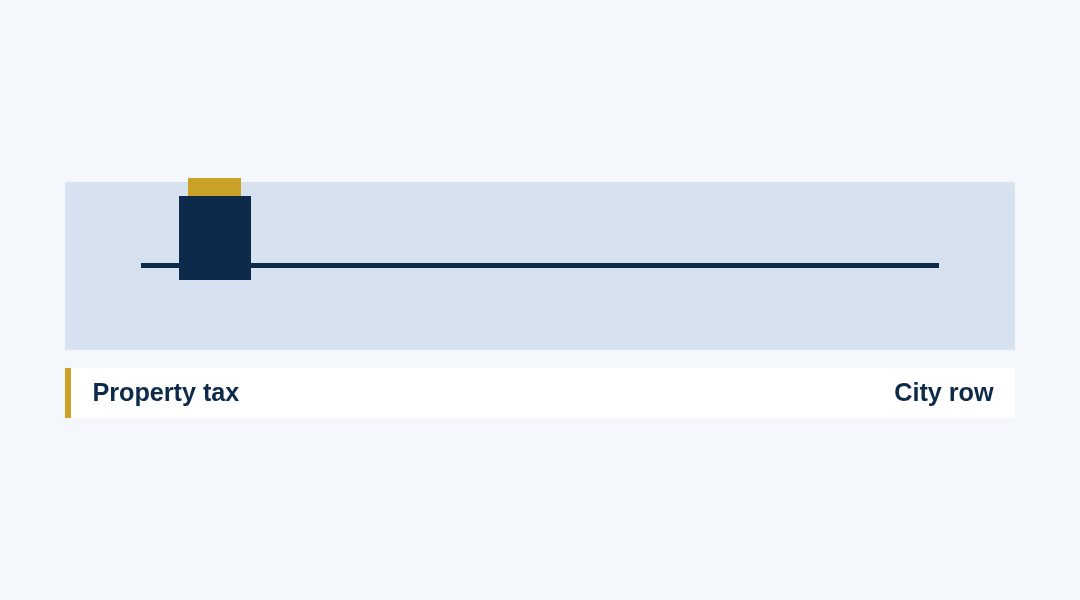
A building steps across the city line and the property tax row flips to zero

Which notice is in your hand

Open the Fort Bend notice in your hand.

  1. 1The Fort Bend appraisal letter

    The Fort Bend appraisal letter

    The notice names a new value for the building. The city rate is a separate line, and we keep those two moves apart before anyone argues with the bill.

    We read the notice against the address on the lease while the protest window in that letter is still open.

  2. 2The city tax bill inside Sugar Land

    The city tax bill inside Sugar Land

    The city adopted 0.371116 per 100 dollars of taxable value for 2026, which sits above the no-new-revenue rate of 0.355381.

    We put that city line on the books only for the address that is actually inside Sugar Land.

  3. 3A notice from Stafford with no city property row

    A notice from Stafford with no city property row

    Stafford does not charge a city property tax, so the bill you expected may be school and county only.

    We match the bill to the side of the line the building occupies before we call the month closed.

  4. 4The sales tax return

    The sales tax return

    At an address inside Sugar Land the total is 8.25 percent. The state piece is 6.25 and the city piece is 2 percent under local code 2079051. Fort Bend County is absent from that stack, so the local piece is the city's alone.

    The rows follow the address of the sale, and the sales return itself comes due on the 20th.

  5. 5The rendition reminder

    The rendition reminder

    Fort Bend Central Appraisal District wants the business property list by April 15. A written request can move that day, and a late list can cost 10 percent of the tax imposed.

    We gather furniture, equipment, and inventory while that month is still open.

  6. 6The May franchise report

    The May franchise report

    A Texas entity files the franchise report by May 15. On the 2026 and 2027 reports, revenue under 2650000 dollars can mean no tax is due. A shop that sells goods uses 0.375 percent on that report, and every trade outside retail and wholesale uses 0.75 percent.

    That May date stays written next to the month that still has to close, even after the federal return has already gone.

Read your letter

Name the month the bank already trusts.

Before the call.

Tell us the month the bank already matches, and which city the lease names. On that call the lease is open, Sugar Land or Stafford, before anyone talks about a return.

Steven Palmieri, Tax CFO

You will be talking to the Steven Palmieri practice.

More about the file.
The month you are standing in.

We close the month for the address on the lease, and we prepare the return from those months. We start with the date at the top and the amount at the bottom, then we say which month that letter belongs in.

A quiet quarter around Sugar Land can still hide a lease coded to the city next door. The rent might be coded to one city while the building sits in the other. The return can look close while nobody has asked which side of the line the lease occupies.

The close writes the city the lease names beside the month the bank already matched. Those two notes stay in the file, and the return later reads them instead of guessing.

Point at the newest month the statement and the ledger already share. Older months stay behind that post until this one is shut.

What gets done.
A computer on a work table, seen from behind, with no person in the frame

The past is cleaned up where the bank and the books still disagree, including a lease that was booked as if both sides of the line were one city. The month you are standing in gets closed while the Saturday deposits are still fresh. When the bank activity and the ledger finally tell one story, you leave holding statements and a short report in plain words.

Payroll is placed with a provider under your name, and payday stays a button you press. Those shut months are what the return is built from, so the figures already match the bank and the city on the lease.

A letter that wants an audit signature is named as outside this practice before any work is opened. The full writing of that limit lives on the Disclosures page.

What the work costs.

The price is set from the month sitting in front of us. Transaction count, how far behind the books sit, and whether the return is in scope are what move the price. A number before we have seen a real month would be a guess.

You hear the price before you commit, and you also hear it when this practice is the wrong fit. Older months that are behind get their own price, separate from the month being closed now.

The first month together.

After the first month together you hold a close we will both stand behind, and a short note of anything still open. Closed months are the only source for the company return and for yours.

Owner pay is easier to choose while the year still has months left in it. The practice that closed this month is the same practice that will still know the books next summer.

A town that still carries the mill.
The Imperial Sugar silos over Sugar Land

The refinery and the distribution center closed in 2003, and the company kept its headquarters in town. A headquarters and a closed plant are two different assets. A file that treats them as one building will misstate what is still in use.

People still call the ground north of Highway 90A Old Sugar Land, including streets that were already inside the 1959 city limits. A shop there and a shop on the far side of the Brazos can sit in different taxing cities. The close names the city the notice uses.

Sidewalk tables, city hall, and the hotel share Town Square. A crowded Saturday at Town Square does not close the books by itself. Deposits from that weekend still need a month, and the hotel tax follows the night the room was sold.

Sugar Creek grew in 1968 from about 1,200 acres of the old Imperial Cattle Ranch into a country club community with two golf courses. A club dues bill and a property tax bill are different lines. We do not drop both into one expense and hope the year sorts them out.

Keep reading.